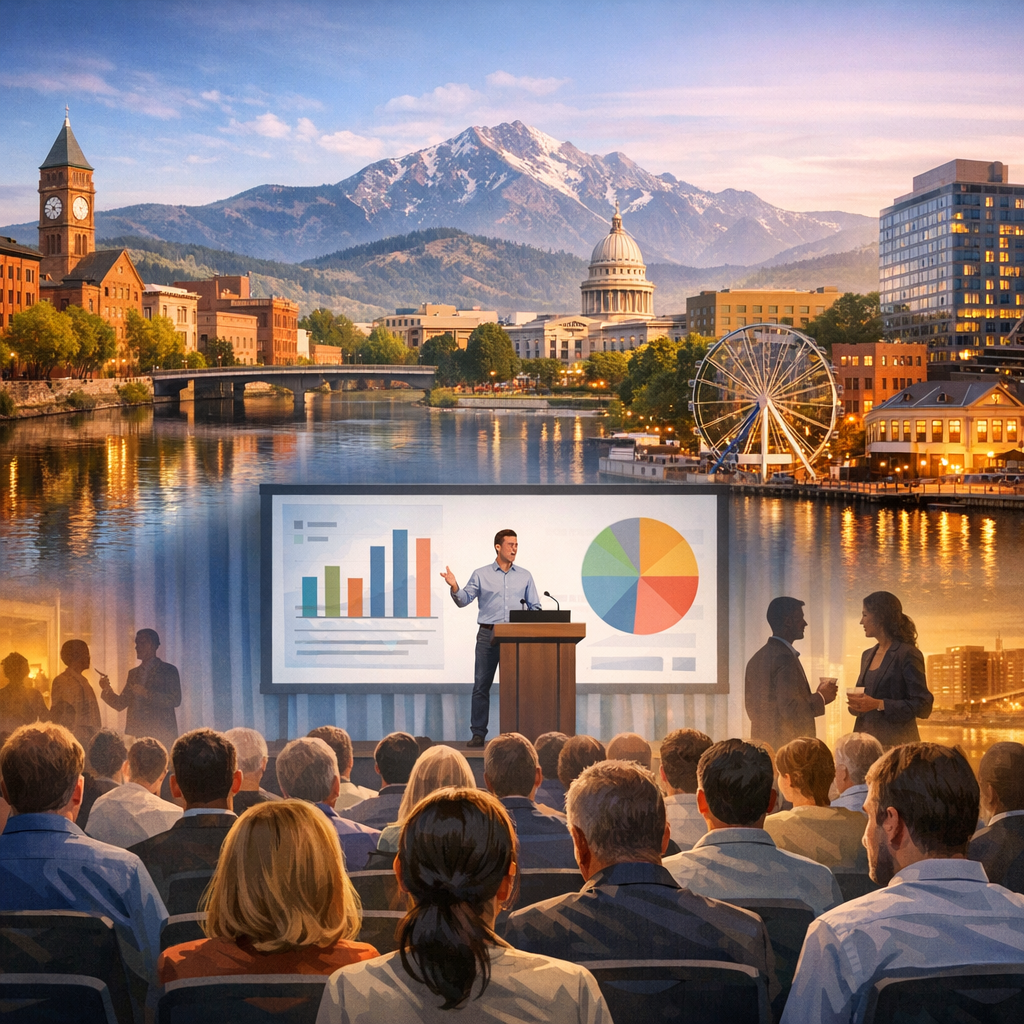
The Rise of Mid-Sized Conference Destinations
Choosing the right destination can make or break a conference. While major hubs like New York, Las Vegas, and San Francisco often dominate the conversation, there’s a growing shift toward “tier 2” and “tier 3” cities—places that offer strong infrastructure without the overwhelm, cost, or predictability of larger metros. Event planners are increasingly asking: where can we go that feels fresh, accessible, and memorable?
In this article, we’ll explore standout mid-sized U.S. cities for conferences, examine which destinations may be losing their appeal, and highlight a few underrated gems worth serious consideration. Whether you’re planning a corporate retreat, industry convention, or association meeting, this guide will help you think beyond the usual suspects.
Why Tier 2 and Tier 3 Cities Are Gaining Momentum
Tier 2 and tier 3 cities—typically mid-sized metros with solid infrastructure but less congestion—are becoming increasingly attractive for event planners. The appeal is practical as much as experiential.
First, cost efficiency plays a major role. Venue rentals, hotel blocks, and catering are often significantly more affordable than in top-tier cities. This allows planners to stretch budgets further, potentially enhancing attendee experiences through better programming or amenities.
Second, accessibility within the city is often easier. Many of these destinations are highly walkable or have centralized downtown areas where hotels, convention centers, and entertainment are clustered. This reduces transportation complexity and improves attendee satisfaction.
Finally, there’s the “novelty factor.” Attendees who have grown tired of repeat destinations are more likely to engage with a location that feels new and authentic. Cities like Milwaukee, Madison, and Omaha exemplify this trend—offering charm, culture, and convenience without the fatigue of overexposure.
[Suggested visual: A map highlighting tier 2/3 U.S. cities with conference infrastructure]
Standout Cities Offering Value and Experience
Top Tier 2/3 Cities Worth Considering
Several cities consistently stand out for their balance of affordability, accessibility, and attendee appeal.
Milwaukee, Wisconsin offers a vibrant downtown, lakefront views, and a strong summer events calendar. Its convention center is centrally located, and the city’s walkability makes it easy for attendees to navigate. Madison, Wisconsin, similarly shines with its scenic setting between lakes and its compact, energetic downtown. Both cities are particularly appealing in warmer months when outdoor activities enhance the conference experience.
Omaha, Nebraska may surprise some planners, but it has been gaining attention. Its revitalized downtown, strong culinary scene, and proximity between venues and hotels make logistics straightforward. Feedback from planners often highlights how manageable and welcoming the city feels.
Baltimore, Maryland is another compelling option. The Inner Harbor area offers a dense cluster of attractions, dining, and event spaces. While traffic and public transit can present challenges, the walkability of the central district and proximity to Washington, D.C. add flexibility for attendees.
These cities share common strengths: manageable scale, distinct local identity, and infrastructure that supports professional events without overwhelming attendees.
[Suggested visual: Photos of downtown Milwaukee, Madison lakeside, Omaha skyline, and Baltimore Inner Harbor]
The Downsides of Overused Major Hubs
Are Some Destinations Becoming Overdone?
While major cities still hold value, there’s a growing sentiment among planners that certain destinations are becoming “overdone.” This perception isn’t always about the cities themselves, but rather the challenges associated with them.
High costs are a primary concern. Cities like New York, San Francisco, and even Washington, D.C. can strain budgets, particularly for smaller organizations. Attendees may also face higher travel and accommodation expenses, which can impact attendance rates.
Complex logistics are another factor. Large cities often require extensive coordination for transportation, and navigating between venues can be time-consuming. This complexity can detract from the overall experience.
Additionally, external factors—such as political climate, public health concerns, or local policies—can influence destination choices. Some planners have reported avoiding certain states altogether due to these considerations, highlighting how non-logistical factors increasingly play a role in site selection.
Even beloved cities like Chicago sometimes fall into this category—not because they lack appeal, but because they’ve been used so frequently that they no longer feel fresh to repeat attendees.
Underrated Destinations That Deliver More
Hidden gems are where tier 2 and tier 3 cities truly shine. These destinations often exceed expectations precisely because they’re underestimated.
Madison and Milwaukee are prime examples, offering scenic beauty, strong local culture, and ease of movement. Attendees can enjoy lakeside walks, local breweries, and vibrant arts scenes—all within close proximity to conference venues.
Omaha’s rise as a meeting destination illustrates how investment in downtown development can transform a city’s appeal. Its compact layout simplifies logistics, and its growing reputation for food and entertainment adds to its attractiveness.
Baltimore’s Inner Harbor area demonstrates how a well-designed district can create a self-contained conference experience. With attractions, dining, and accommodations all nearby, attendees can maximize both productivity and leisure time.
These cities often deliver a stronger sense of place than larger metros, allowing attendees to connect more deeply with the destination.
[Suggested visual: Infographic comparing cost, walkability, and attendee satisfaction across cities]
How to Choose the Best Fit for Your Event
Practical Tips for Choosing the Right Destination
Selecting the ideal city involves balancing multiple factors. Start by understanding your audience—what are their preferences, budgets, and travel constraints? A destination that excites one group may not resonate with another.
Next, evaluate accessibility. While smaller cities may not have as many direct flights, their ease of navigation can offset this drawback. Consider total travel time, not just flight availability.
Walkability and proximity are critical. Cities where hotels, venues, and dining options are clustered can significantly enhance the attendee experience and reduce logistical headaches.
Seasonality also matters. Cities like Milwaukee and Madison shine in summer but may be less appealing in winter. Align your event timing with the destination’s strengths.
Finally, think about the overall experience. Attendees increasingly value opportunities to explore, relax, and connect outside of formal sessions. Choosing a city with unique cultural or recreational offerings can elevate your event.
[Suggested formatting: A checklist or table comparing key factors like cost, accessibility, and walkability]
Why Looking Beyond the Obvious Pays Off
The shift toward tier 2 and tier 3 cities reflects a broader evolution in event planning. Today’s conferences are not just about content—they’re about experience, efficiency, and value. Mid-sized cities offer a compelling combination of affordability, accessibility, and authenticity that larger metros often struggle to match.
By looking beyond traditional destinations, planners can create more engaging and memorable events while staying within budget. Cities like Milwaukee, Madison, Omaha, and Baltimore demonstrate that sometimes the best choices are the ones you didn’t initially consider.
If you’re planning your next event, take a closer look at these emerging destinations. You may find that the perfect location isn’t the most obvious one—it’s the one that delivers the best overall experience for your attendees.
References and Further Reading
For more insights, explore resources from organizations such as Meeting Professionals International (MPI), the Professional Convention Management Association (PCMA), and U.S. Travel Association reports on meeting trends. Destination marketing organizations (DMOs) for cities like Milwaukee, Omaha, and Baltimore also provide detailed planning guides and case studies.
Industry publications like Skift Meetings and BizBash regularly cover trends in conference planning and emerging destinations, offering valuable perspectives for planners seeking fresh ideas.