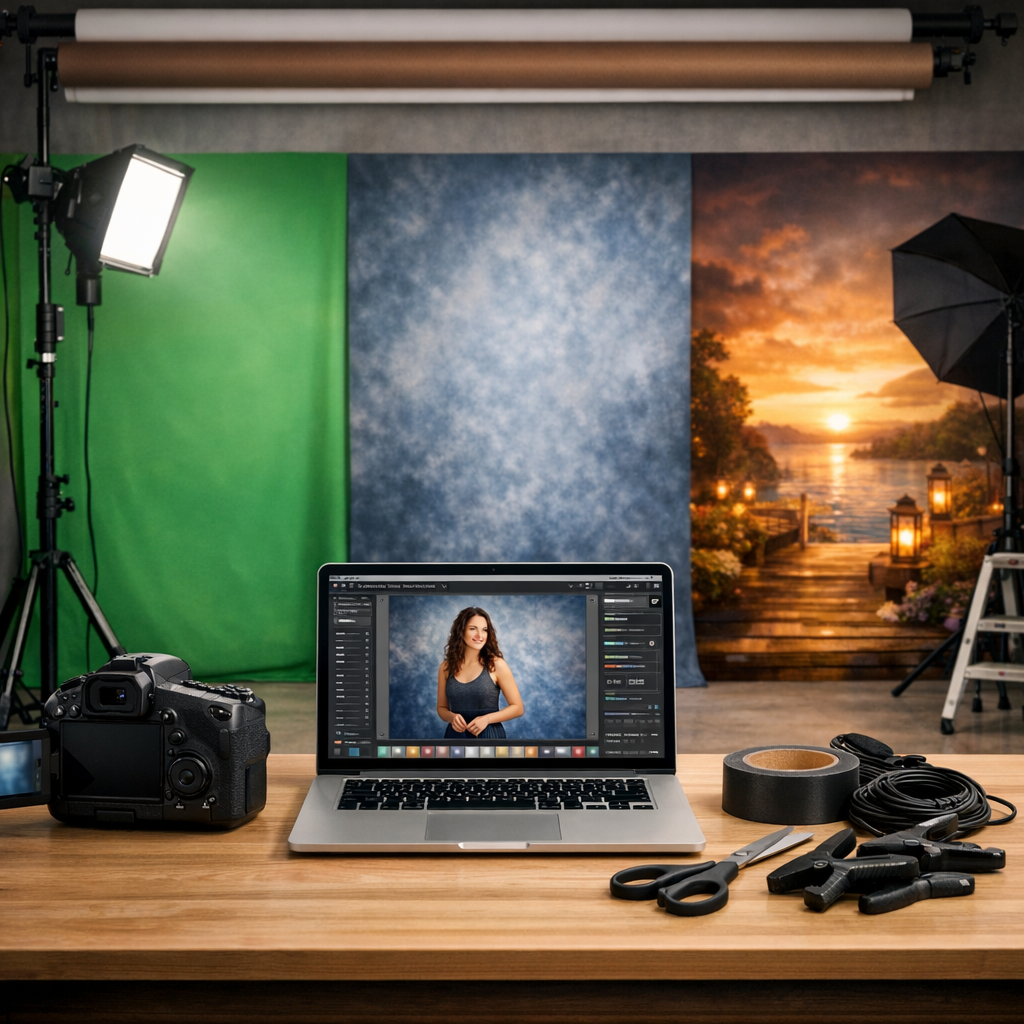
What Large Event Backdrops Are and Why They Matter
Planning a live event and dreaming of one of those sleek, oversized branded backdrops you see at conferences, product launches, and Instagram-worthy activations? You’re not alone. At some point, almost every event organizer hits the same question: where do these massive, polished backdrops actually come from—and how do you get one?
The good news is that you’re not missing some secret supplier. These displays are more accessible than they look. The “magic” is really just a combination of printing techniques, structural materials, and event production know-how. In this guide, you’ll learn the most common types of large-scale backdrops, who to contact, how to choose the right option, and how to pull it all together for your San Francisco event.
By the end, you’ll know exactly whether you need a print shop, an event vendor, or something in between—and how to make a backdrop that actually looks professional in person and on camera.
Types of Large-Scale Backdrops You’ll See at Events
Not all big backdrops are created the same. What you see at events is usually one of a few core formats, each with its own advantages.
The simplest option is a fabric banner system, often referred to as SEG (Silicone Edge Graphics). These use a lightweight aluminum frame with a printed fabric stretched tightly across it. The edges of the fabric tuck into the frame, creating a seamless, wrinkle-free look. These are especially popular for conferences and trade shows because they’re clean, portable, and reusable. If the design changes, you just reprint the fabric and keep the frame.
Another common approach is rigid panel backdrops made from foam board, gatorboard, or PVC. These are printed directly and mounted onto solid panels. They’re great for indoor use and can produce sharp, vibrant visuals, but they’re less forgiving in outdoor environments. Even a mild breeze can knock them over if they’re not properly secured.
Then there are scenic flats—large wooden panels (often 4x8 feet) used in theater and event production. These are frequently rented and assembled side-by-side to create a wall. You may notice faint seams between panels in some event photos. To finish the look, designers apply vinyl decals, adhesive wraps, or paint over the surface. For added dimension, lettering or logos can be cut from acrylic or foam and mounted on top.
Finally, there are fully custom builds. These combine carpentry, paint, lighting, and printed elements into a cohesive installation. While more expensive, they’re what you typically see at high-end brand activations and photo ops.
(Suggested visual: a comparison image showing fabric SEG frames, foam board panels, and scenic flats side by side.)
Who to Contact and Where These Backdrops Come From
This is where many people get stuck. The answer isn’t just “a print shop”—though that can be part of it.
For straightforward jobs like fabric banners or printed panels, a large-format print shop is often enough. Search for local providers in San Francisco that specialize in event signage or “wide-format printing.” Many of them can also provide frames or mounting solutions.
For more complex setups, you’ll want to look into event production companies, scenic shops, or AV (audiovisual) vendors. These teams handle staging, set design, and installations for live events. They can build or source scenic flats, apply graphics, and even install everything on-site.
A practical shortcut is to contact local event venues and ask for their preferred vendor lists. These lists typically include trusted scenic fabricators, printers, and AV teams that regularly work in the space. This can save you hours of research and reduce risk.
In many cases, vendors also offer rentals. For example, you might rent the structural frame or wooden panels and only pay for a custom print or vinyl overlay. This is especially useful for one-day or short-term events.
How Professional Backdrops Are Designed and Built
To demystify the process, here’s what typically happens behind the scenes when creating a professional backdrop.
First, the design is finalized. This includes dimensions, resolution (usually very high for large prints), and layout. Designers often account for seams if multiple panels will be used.
Next comes material selection. For example, a tech conference might use a seamless SEG fabric wall, while a branded photo moment might use painted scenic flats with applied lettering for a premium look.
Then production begins. Printers create the graphics—either on fabric, vinyl, or rigid boards. If scenic flats are involved, they’re built or rented and prepped with paint or laminate.
After that, the graphics are applied. Vinyl decals may be carefully aligned and adhered, or fabric prints are stretched into frames. For dimensional effects, logos or text might be cut from acrylic or foam and mounted.
Finally, everything is installed on-site. This can be a DIY job for simple setups, but larger installations usually involve professional installers to ensure alignment, stability, and safety.
(Suggested visual: a step-by-step infographic showing design → print → assembly → installation.)
Choosing the Right Backdrop for Your Event
The “best” backdrop depends on your goals, budget, and environment.
If your event is indoors and you want something clean and modern, SEG fabric systems are a strong choice. They’re lightweight, reusable, and photograph well.
If you need something rigid and bold for a photo wall, foam board or gatorboard panels can work—but be cautious outdoors unless they’re securely mounted.
If you’re aiming for a premium, immersive look, scenic flats with vinyl or painted finishes offer the most flexibility. They can mimic anything from a minimalist wall to a fully branded environment.
For outdoor events in San Francisco, wind is a real factor. Fabric systems with sturdy frames or properly anchored scenic builds are typically safer than lightweight rigid boards.
(Suggested visual: a decision chart mapping budget, location, and style to recommended backdrop types.)
Practical Tips for a Smooth Backdrop Setup
Start early. Large-format printing and custom builds often take longer than expected, especially during busy event seasons.
Always confirm dimensions and resolution. Low-resolution artwork can look fine on a laptop but blurry when scaled to 10 feet wide.
Ask about installation. Some vendors include it, while others charge separately or expect you to handle it.
Consider reusability. Renting frames or scenic elements can save money if you plan to host multiple events.
Plan for transport. Large panels and frames can be difficult to move without the right vehicle or logistics.
Test your design for photography. Backdrops are often used for photos, so ensure logos are well-placed and readable at different distances.
(Suggested formatting: this section could include a bullet list or checklist for quick reference.)
Those impressive, oversized event backdrops aren’t as mysterious as they seem. They’re typically a combination of printed graphics, structural supports, and smart production choices. Whether you go with a sleek fabric frame, rigid panels, or a custom scenic build, the key is matching the method to your event’s needs.
For your San Francisco event, you’ll likely want to start by contacting a local large-format printer or an event production company. From there, you can explore rental options, materials, and installation services that fit your budget and vision.
Once you understand the ecosystem—print shops, scenic vendors, and AV teams—you’re no longer guessing. You’re designing.
References and Further Reading
Explore large-format printing providers in your area (search terms: “SEG graphics printing,” “event backdrop printing San Francisco”).
Check event production companies and scenic fabricators for custom builds and rentals.
Look into resources from organizations like the Event Safety Alliance for guidelines on safe installations.
Browse case studies from trade show and exhibition companies to see real-world examples of backdrop systems in action.