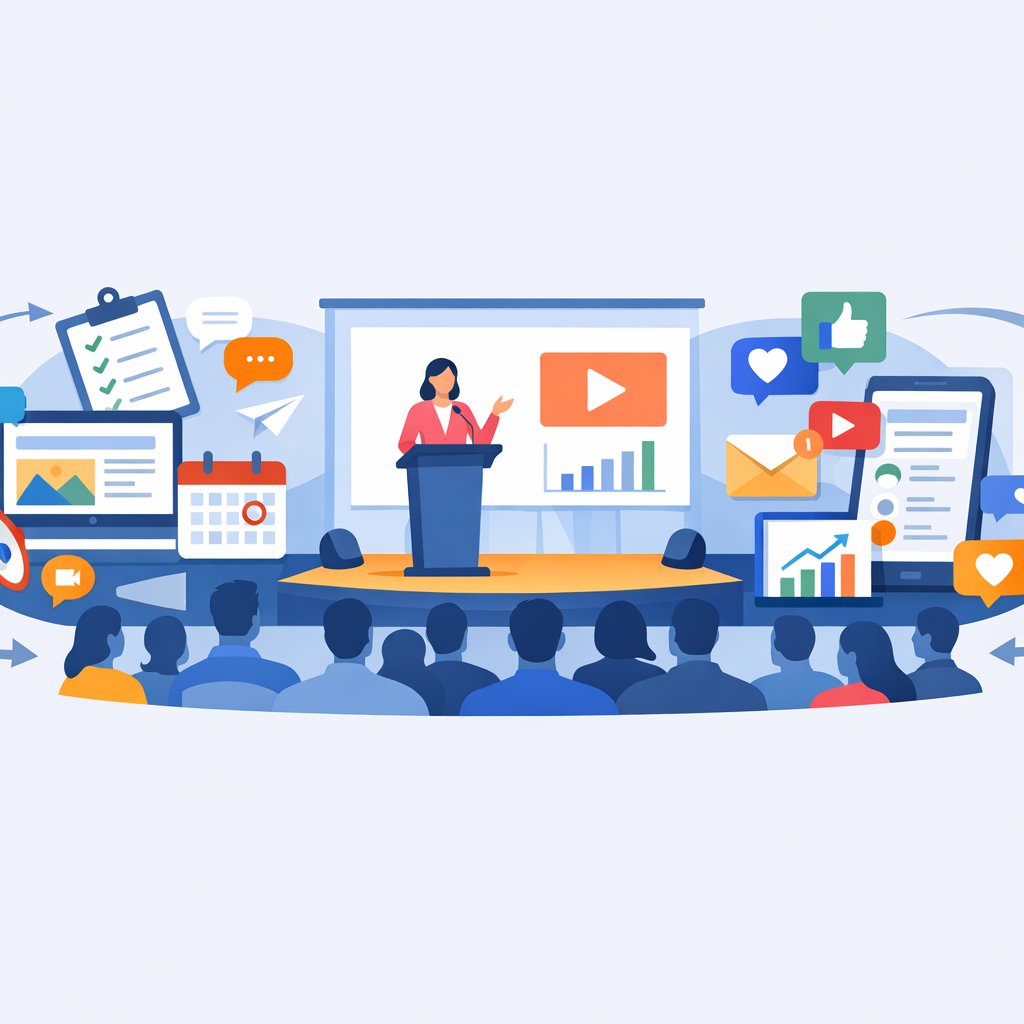
Extending Event Value Through Content
For associations, events are often the centerpiece of member engagement, professional development, and revenue generation. Yet too often, the value of an event is confined to a few days on the calendar. Content—whether in the form of articles, videos, or podcasts—offers a powerful way to extend that value across the entire event lifecycle. When used strategically, content can build anticipation before an event, deepen engagement during it, and continue delivering impact long after attendees have gone home.
Building Anticipation Before the Event
Before an event even begins, content serves as a catalyst for awareness and excitement. Associations can publish thought leadership articles that explore key themes of the upcoming program, introduce keynote speakers, or highlight industry challenges that will be addressed. This not only promotes the event but also positions the association as a trusted source of insight. For example, a healthcare association planning an annual conference might release a series of blog posts on emerging policy changes, each authored by scheduled speakers. These pieces naturally draw attention to the event while offering immediate value to readers.
Video content is particularly effective in this early phase. Short speaker interviews, behind-the-scenes previews, or even quick “what to expect” clips can humanize the event and make it feel more accessible. A professional engineering association, for instance, might share a video of a keynote presenter explaining why a specific innovation matters right now. This kind of content not only informs but also builds a personal connection that encourages registration.
Podcasts offer another compelling pre-event channel. Associations can host conversations with speakers, sponsors, or members who will be attending. These episodes can explore topics in greater depth, creating a sense of intellectual momentum leading up to the event. Listeners begin to feel like participants before they even arrive, which increases both attendance and engagement.
Enhancing Engagement During the Event
Once the event is underway, content shifts from promotion to enrichment. Live coverage through articles, social posts, or daily recaps helps attendees process what they are learning while also bringing remote audiences into the experience. A recap article at the end of each day, for example, can highlight key insights, memorable quotes, and emerging themes. This not only reinforces learning but also ensures that important ideas are not lost in the fast pace of a multi-day program.
Video plays a crucial role during the event itself. Recording keynote sessions, panel discussions, and workshops allows associations to capture valuable knowledge in real time. Short highlight clips can be shared immediately on social media, amplifying the event’s reach beyond those physically present. A marketing association, for instance, might post a 60-second clip of a speaker discussing a new trend, sparking conversations online and drawing attention back to the full event experience.
Podcasts recorded on-site add another layer of engagement. Hosting live or semi-live interviews with speakers and attendees creates a dynamic, behind-the-scenes perspective. These conversations often feel more spontaneous and authentic, offering insights that formal sessions may not capture. They also provide additional touchpoints for sponsors and partners, who can be featured in meaningful discussions rather than traditional advertisements.
Extending Impact After the Event
The true long-term value of event content becomes most evident after the event concludes. Rather than allowing presentations and discussions to fade into memory, associations can repurpose and distribute content to extend its lifespan. Recorded sessions can be turned into on-demand webinars, allowing members who could not attend to benefit from the material. This approach not only increases the return on investment for the event but also supports ongoing education.
Written content also plays a critical role in this post-event phase. Associations can publish in-depth articles that synthesize key takeaways, identify trends, and provide actionable insights. For example, a financial services association might produce a comprehensive report summarizing regulatory updates discussed at its conference. Such content becomes a valuable resource that members can revisit and share within their organizations.
Podcast episodes can be repurposed or extended as well. Follow-up discussions that reflect on the event’s themes, evaluate predictions, or explore unanswered questions keep the conversation alive. This creates a sense of continuity, reinforcing the association’s role as an ongoing source of knowledge rather than a one-time event organizer.
Creating Ongoing Content Ecosystems
Another powerful strategy is to create content series that evolve over time. A single panel discussion can lead to multiple blog posts, video clips, and podcast episodes, each focusing on a different angle. This layered approach ensures that the original content continues to generate value across different formats and audiences. It also allows associations to meet members where they are, whether they prefer reading, watching, or listening.
Real-world examples highlight how effective this approach can be. Many large associations now treat their annual conferences as content engines rather than isolated events. They invest in professional recording, editorial planning, and distribution strategies that begin months in advance and continue long after the event ends. As a result, their events reach far wider audiences, generate ongoing engagement, and strengthen the association’s brand as a year-round resource.
Transforming Events into Continuous Narratives
Ultimately, the integration of content into the event lifecycle transforms how associations deliver value. Instead of a single moment in time, events become part of a continuous narrative that educates, connects, and inspires members. By thoughtfully using articles, videos, and podcasts, associations can amplify their impact, deepen relationships, and ensure that the knowledge shared at their events continues to resonate well into the future.