The Digital Landscape of Social Media Platforms
As the digital landscape continues to evolve, the ways in which we share our ideas, talents, and insights are constantly shifting. With social media platforms like Facebook, TikTok, and Instagram competing for our attention, content creators often find themselves navigating a complicated maze of algorithms, trends, and user engagement practices. If you’ve ever asked yourself why TikTok seems to be the only effective platform out of the big three, this article is for you. Today, we will explore the differences in audience interaction, algorithmic challenges, and strategies for success across these popular platforms. You’ll learn why some content flourishes on TikTok while other platforms struggle, and how you can leverage these insights to enhance your online presence.
The power of TikTok has risen dramatically, while many users report diminishing returns on their Facebook and Instagram accounts. So, what makes one platform outshine the others? In this article, we will delve into user engagement tactics, algorithm behaviors, and actionable strategies to optimize your presence across these platforms. Whether you're a seasoned creator or just starting, understanding the nuances of these platforms can significantly impact your content's reach and effectiveness.
Let’s break down the discussion into key areas: the current state of social media platforms, the challenges creators face, and ultimately, the strategies that can help you grow your audience where it matters most.
Organic Reach in Decline: The Current State of Social Media
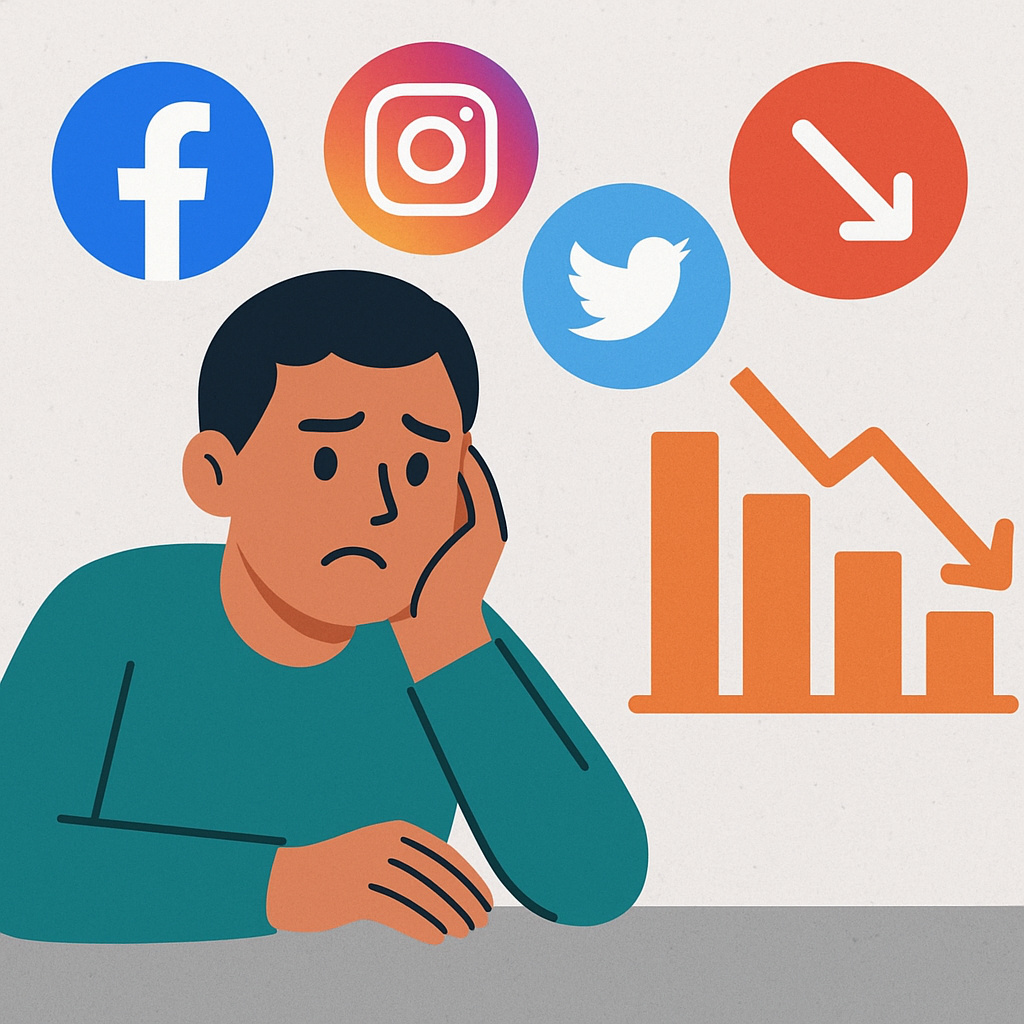
The first major point of discussion is the current landscape of social media platforms. While Facebook remains the largest social media network globally, many users find its organic reach to be increasingly limited. As noted in a Reddit discussion, organic reach on Facebook, particularly for pages, has become brutal as the algorithm shifts toward a 'pay-to-play' model. This reflects changes in business strategies aimed at prioritizing paid advertising over organic growth.
In contrast, TikTok quickly ascended to prominence as a platform that promotes creativity and spontaneity. It’s known for its engaging video format and a unique algorithm that prioritizes content virality over follower count. This means that new users can achieve significant views in very short periods, as one Reddit user highlighted about their experience reaching 60,000 views almost immediately. This unpredictability makes TikTok refreshing yet daunting, as users often feel they cannot replicate success consistently.
Meanwhile, Instagram has tried to adapt by introducing features like Stories and Reels to compete with TikTok. However, many still find it challenging to grow organically on this platform. The key takeaway here is that the mechanisms and user experiences differ significantly across these platforms, and understanding these differences is essential for effective engagement.
Creators’ Challenges: Navigating the Algorithms
Next, let’s examine the challenges faced by creators on these platforms. As we’ve established, Facebook and Instagram seem increasingly impossible for casual users to grow organically. Observations from various creators mention a transition in how these platforms function; Facebook’s groups and community tools offer a glimmer of hope, allowing users to network and build a following through engagement rather than mere broadcasting.
Instagram, on the other hand, requires a more strategic approach; short, engaging Reels with strong hooks in the first few seconds can yield better results. However, it still requires time and patience to see results, as indicated by experience. TikTok can often seem random, making it difficult for creators to understand precisely what leads to high engagement.
Strategies for Success: Optimizing Your Presence
To address these challenges effectively, creators must adapt their strategies. Here are a few practical tips aimed at optimizing performance across these platforms:
Focus on Community Building: Especially on Facebook, utilize groups to foster connections and engage meaningfully rather than treating your page like a broadcast channel.
Create Compelling Reels: For Instagram, try to craft Reels that capture attention immediately—consider the first three seconds crucial for engagement.
Experiment with TikTok: Given TikTok’s unique algorithm, test different formats, and themes to see what resonates. Monitor trending sounds and trends; these can significantly impact engagement.
Be Consistent Across Platforms: While the audiences may differ, maintaining a consistent branding approach can help build a coherent identity, making it easier to cross-promote your content.
Analyze Performance: Use the analytics tools provided by each platform to better understand your audience's preferences and behaviors. Adjust your strategy based on this insight.
Visualizing the Differences: Comparing Platforms
To visualize these differences, consider implementing infographics that compare the engagement rates, algorithms, and content formats of each platform side by side. This could help in clearly understanding the nuances at a glance.
In conclusion, while TikTok may currently be an effective platform for organic reach, the challenges faced on other platforms such as Facebook and Instagram cannot be ignored. Adapting your strategies and understanding the unique mechanics of each platform can create new opportunities for engagement. As the digital environment continues to evolve, remaining agile and willing to adapt your approach will be fundamental to your success as a content creator.
For those looking to deepen their understanding, consider checking resources like Social Media Examiner, Hootsuite's blog, or HubSpot’s Marketing Blog, which delve into statistics and insights on social media trends and strategies. Remember, social media is not just about creating content but about connecting with your audience—and that connection takes time, strategy, and a willingness to learn.